Your website is your digital storefront, and in San Jose's competitive market, it needs to work as hard as you do. Whether you're launching a startup or refreshing an existing presence, finding the right website design approach can feel overwhelming. This guide walks you through what matters, what doesn't, and how to think strategically about your online presence.

In this article
- What Website Design in San Jose Actually Means
- The Core Elements of Strong Website Design
- How Website Design Connects to Your Overall Marketing Strategy
- Key Questions to Ask Before Choosing a Designer
- Website Design Approaches: Which One Fits Your Business?
- Red Flags to Watch Out For
- Making Your Choice: Next Steps
- People Also Ask
What Website Design in San Jose Actually Means
Website design isn't just about making something look pretty. It's about creating a tool that brings in customers, builds trust, and represents your brand accurately.
In the San Jose area, you'll find agencies and designers offering everything from simple brochure websites to complex custom solutions. The best ones combine visual design with strategy, thinking about what your visitors will do when they land on your site, not just what they'll see.
A good website design in San Jose should reflect your local market while solving real business problems. That might mean making it easy for people to book appointments, collect leads, showcase your portfolio, or process orders online.
The Core Elements of Strong Website Design
Before you start evaluating designers, understand what separates a website that works from one that just exists.
Clear Purpose and Navigation. Visitors should understand what you do within seconds. Your navigation should be intuitive so people can find what they're looking for without frustration. Confusing menus and buried information drive people away fast.
Mobile-First Approach. Most visitors will see your website on a phone. If it doesn't work well on mobile, you've lost them. Responsive design isn't optional anymore.
Speed and Performance. People don't wait around. If your site loads slowly, bounce rates skyrocket. Good designers build with performance in mind from day one.
Visual Consistency. Your colors, fonts, and layout should feel intentional and consistent. This builds trust and reinforces your brand identity.
Clear Call-to-Action. You need to tell visitors what to do next. Whether that's "Call Now," "Request a Quote," or "Learn More," make it obvious and easy to click.
How Website Design Connects to Your Overall Marketing Strategy
Here's where most business owners get it wrong: they treat website design as a standalone project. It's not.
Your website works best when it's part of a bigger picture. If you're running social media ads, your website should be set up to convert those visitors. If you're doing local SEO work, your website needs to support that strategy. If you're building your brand, your website should reflect your positioning across all channels.
This is why DigitalPixel approaches website design as part of a complete digital strategy, not as an isolated task. Your site works harder when branding, messaging, and marketing tactics align.
Want results like these?
Key Questions to Ask Before Choosing a Designer

Not every designer or agency is right for your business. Ask these questions before you commit:
Do they understand your industry? A designer who's worked with businesses like yours will anticipate your needs and spot opportunities you might miss.
How do they measure success? Good designers can explain how they'll track whether the website actually achieves your goals. Vague answers about "looking great" aren't enough.
What's their process? Do they start with strategy, research, and goals before jumping into design? Or do they dive straight into making things look nice? Strategy first is always better.
Will they handle ongoing updates and maintenance? Websites need updates, security patches, and sometimes tweaks based on how visitors actually use them. Plan for that from the start.
Do they integrate with your other marketing efforts? Your website shouldn't exist in a vacuum. It should connect to your social media, email, and advertising work.
Website Design Approaches: Which One Fits Your Business?
There's no one-size-fits-all solution. The right approach depends on your budget, timeline, and goals.
Custom Design and Development. This is built specifically for your business from scratch. It takes longer and costs more, but you get exactly what you need without compromises. This approach is ideal if you have unique requirements or complex functionality.
Templated Solutions. These use pre-built frameworks as a starting point, then customize them for your brand. Faster and more affordable than full custom work, but less unique. Good for businesses with straightforward needs.
Website Platform Solutions. Some platforms bundle design templates with hosting and basic tools. Easy to get started, but limited when you want to grow or need specialized features.
The right choice depends on your specific situation. A strategic partner like DigitalPixel can help you figure out what makes sense for your goals and resources.
Red Flags to Watch Out For
Some designers will promise the world but deliver disappointment. Watch for these warning signs.
Designers who claim a website will automatically rank on Google for competitive keywords are overselling. Good digital advertising and SEO work matter too, but a website alone can't do everything.
Agencies that don't ask about your business, goals, or audience before starting design work probably aren't thinking strategically. They're just building what they always build.
If someone guarantees results without understanding your market and competition, be skeptical. Honest professionals explain what's possible and what factors affect outcomes.
Avoid designers who go silent after launch. Your website will need attention. Make sure maintenance and updates are part of the plan.
Making Your Choice: Next Steps
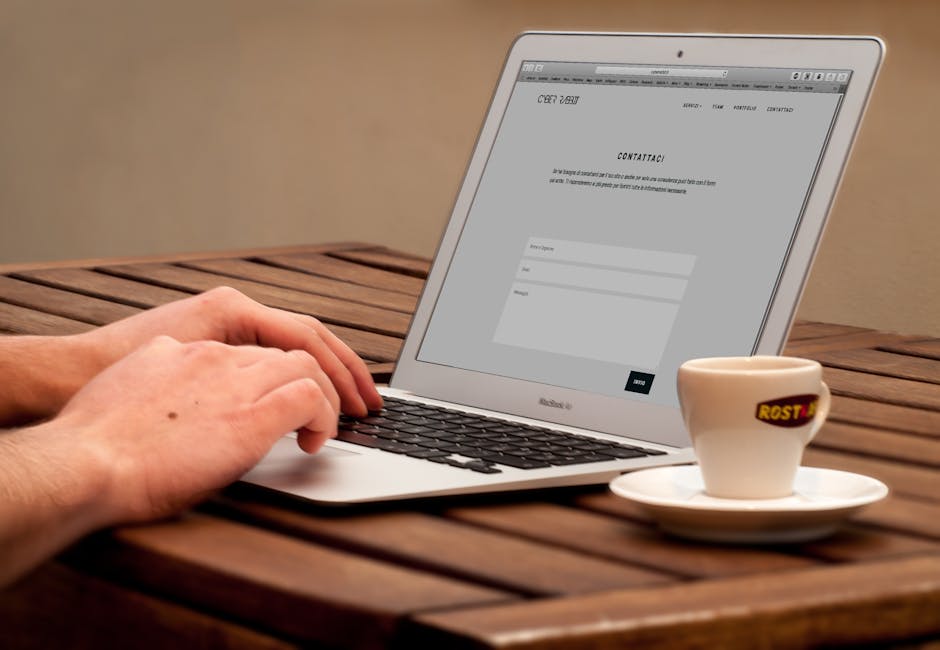
Finding the right website design partner in San Jose doesn't have to be complicated. Start by clarifying your own goals: what do you want your website to accomplish? Who are you trying to reach? What's your timeline?
Then look for designers or agencies that ask good questions, show examples of work you actually like, and can explain their thinking. The cheapest option isn't always the best value. You're making an investment in your business's digital presence.
A good designer or agency will feel like a strategic partner, not just a vendor. They'll push back when your ideas don't align with your goals, offer suggestions you hadn't considered, and help you think bigger about what's possible.
Ready to explore your website options? DigitalPixel works with San Jose businesses to build websites that look great and drive real results, always connected to your bigger marketing strategy. Start with a conversation about what you're trying to achieve.
People Also Ask
How long does website design usually take?
It depends on complexity and your decision-making speed. A simple brochure site might take 4-8 weeks. A custom solution with multiple integrations or complex features could take 2-4 months or longer. The process includes strategy, design, development, testing, and refinement. Timeline also depends on how quickly you provide feedback and make decisions.
What should website design cost?
Costs vary widely based on what you need. A templated solution might cost less than a fully custom build. Factors that affect pricing include the number of pages, specific features you need, integration with other tools, and whether you need ongoing maintenance. The best approach is to talk with designers about your specific requirements and get quotes based on your actual needs, not generic price ranges.
Should I redesign my existing website?
Redesign makes sense if your current site looks outdated, doesn't work well on mobile, loads slowly, or isn't converting visitors. If you're not sure, audit your site first. Look at bounce rates, how long people stay, where they click, and whether visitors are taking the actions you want. If the metrics are weak, a redesign might help. If your site performs well, sometimes smaller updates are enough.
How do I know if a website design is working?
Track real metrics like visitor numbers, pages per session, time on site, bounce rate, and conversions (leads, sales, sign-ups). Good designers set these metrics up before launch so you have a baseline. Then check performance regularly. A website is working if it brings in qualified visitors and moves them toward the action you want them to take. Don't judge by looks alone.
Want results like these?