
Website design is the backbone of your digital presence. It's how potential customers first experience your business, and honestly, that first impression matters way more than most entrepreneurs realize.

Here's the thing: a great website isn't just aesthetically pleasing. It needs to be functional, fast, accessible, and aligned with your business goals. Whether you're launching your first website or redesigning an existing one, understanding the fundamentals will help you make smarter decisions about how to invest your time and money.
Let's walk through what you actually need to know about website design and how to approach it without getting overwhelmed.
In this article
- What Website Design Really Means
- DIY Builders vs. Professional Agencies
- Key Elements of Effective Website Design
- Current Website Design Trends to Know
- How to Choose: Build In-House, Hire Freelance, or Use an Agency
- The Website Design Process
- Website Design and Your Overall Marketing Strategy
- Getting Started With Your Website Design Project
What Website Design Really Means
Website design covers everything from layout and color choices to how buttons work and where your contact form lives. It's not just visual styling, though that's part of it.
Modern website design includes user experience (UX), which is how easy your site is to navigate. It includes user interface (UI), which is how things look and feel. It includes performance, which is how fast your pages load. And it includes accessibility, which means people with disabilities can actually use your site.
When you're thinking about a new website, you're really thinking about all of these pieces working together to achieve one goal: helping your customers find what they need and take action.
DIY Builders vs. Professional Agencies
You've probably seen ads for drag-and-drop website builders like Wix, Squarespace, or Canva's website builder. These tools have gotten really good, and they make it possible for anyone to build something without coding knowledge.
The honest truth? Drag-and-drop builders work great for certain situations. They're affordable, they're fast to set up, and they're good if you want total control over every pixel. But they come with real limitations.
Most DIY builders use templates that hundreds of other businesses are using. Your site won't stand out. You're also limited by what the platform allows, so if you want custom functionality or a truly unique design, you're stuck. And if you're not a designer yourself, your site might look amateur even if the builder is good.
This is where hiring a professional agency makes a real difference. When you work with DigitalPixel, you're getting strategic thinking baked into your design from day one. A good agency doesn't just build a pretty website. They ask questions about your customers, your competitors, your goals, and your budget. Then they design something that actually works for your business.
Professional designers also understand trends, accessibility standards, and technical best practices that DIY builders either hide or make harder to implement. They can integrate your website with your other marketing tools, optimize for search engines, and make sure everything runs fast.
Key Elements of Effective Website Design
Whether you go DIY or hire an agency, these elements matter:
- Clear navigation: Users should understand your site structure in seconds. No mystery meat menus or confusing labels.
- Fast loading: If your site takes more than 3 seconds to load, people bounce. Speed is non-negotiable.
- Mobile responsiveness: Most of your traffic comes from phones now. Your site must work perfectly on mobile.
- Clear call-to-action: Users need to know what to do next. Whether it's "Buy Now," "Schedule a Call," or "Learn More," make it obvious.
- Professional visuals: This doesn't mean expensive. It means images and graphics that look intentional and polished, not clipart-y.
- Trust signals: Reviews, certifications, testimonials, and professional copy all build credibility.
- Accessibility: Use sufficient color contrast, readable fonts, alt text on images, and keyboard navigation. This helps people with disabilities and improves your SEO.
Current Website Design Trends to Know
Design trends shift constantly, but in 2026, a few things are becoming standard:
AI-powered design tools are now mainstream. These tools help generate layouts, suggest color palettes, and even write copy. They're not replacing designers, but they're making the design process faster and more accessible.
Minimalism is still winning. Clean layouts with plenty of white space, fewer elements, and intentional typography perform better than cluttered designs. Users want to find information quickly, not get distracted by animations and flashy effects.
Dark mode is expected. Many sites now offer dark and light versions. It's not just aesthetic, it reduces eye strain and appeals to users who prefer it.
Video is essential. Static images alone aren't enough anymore. Homepage videos, product demos, and customer testimonials in video format increase engagement and time on page.
If you're updating your website design, staying current with these trends helps you look modern without chasing something that'll feel dated in six months.
How to Choose: Build In-House, Hire Freelance, or Use an Agency
This decision depends on three things: your budget, timeline, and how integrated you want design with your overall marketing strategy.
In-house teams: If you have a dedicated designer on staff, great. This works if you have ongoing design needs and want total control. The downside is salary cost and the fact that one person's skillset limits your options.
Freelancers: Hiring a freelance designer gives you flexibility and usually costs less than an agency. But you're managing the project yourself, coordinating with other vendors (hosting, SEO, analytics), and the designer might not understand the marketing side of things. You're also dealing with portfolio risk if they disappear or the project stalls.
Full-service agencies: This is where you get strategy. An agency like DigitalPixel handles website design as part of a bigger picture that includes branding, SEO, and digital advertising. You're not just getting a pretty site. You're getting a website designed to support your entire marketing strategy. The tradeoff is higher upfront cost, but you're getting coordination across multiple disciplines and long-term partnership.
Want results like these?
The Website Design Process
Whether you go with an agency or a freelancer, expect this general flow:
Discovery: Questions about your business, your customers, your competitors, and your goals. This phase is crucial. Don't skip it or rush it.
Strategy and planning: The designer maps out your site structure, user flows, and a content outline. You're defining what pages you need and how users will move through them.
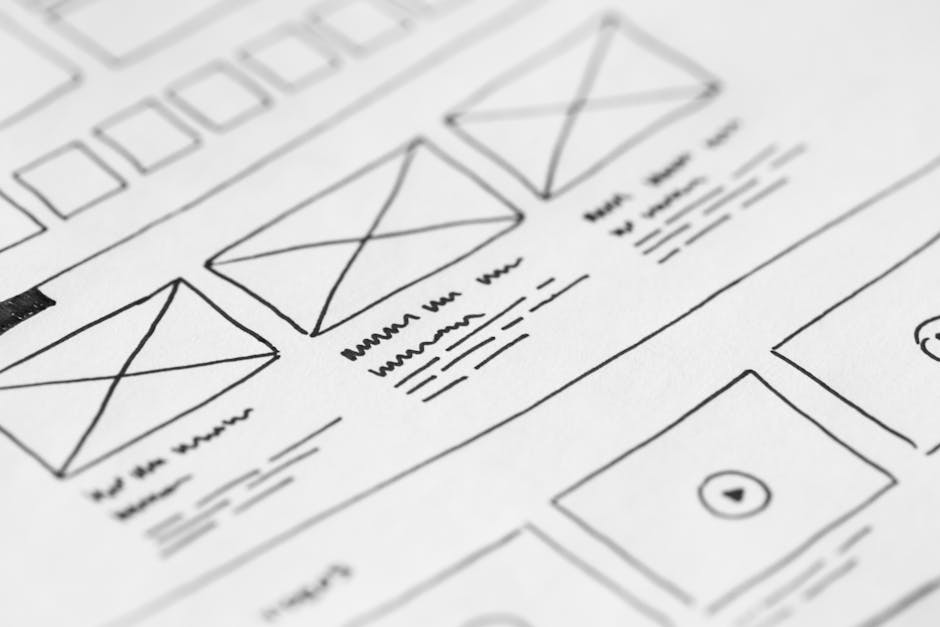
Wireframing: Low-fidelity mockups showing layout and hierarchy without final design. This is where you make big structural decisions before spending time on visuals.
Design: Visual mockups with colors, typography, and imagery. This is what people usually think of as "design work."
Development: Turning the design into a live website. If you're using a builder, this is simpler. If you're building custom, this takes longer.
Testing and launch: Quality assurance on all devices and browsers, final tweaks, then going live.
Optimization: After launch, you measure performance and make improvements based on user behavior and business metrics.
Website Design and Your Overall Marketing Strategy

Here's what separates businesses that succeed with their websites from those that don't: alignment with broader marketing goals.
Your website design should support your entire customer journey. If you're running social media ads, your landing pages should match the messaging and visual style of those ads. If you're focusing on SEO, your information architecture and page structure need to align with search intent. If you're building an email list, your opt-in forms and calls-to-action need to be strategically placed.
This is why working with a partner like DigitalPixel makes sense for small businesses. You get website design that's built on strategy, not just aesthetics. You get someone thinking about how your site supports your SEO, your advertising, your social presence, and your long-term growth.
Too many small business owners invest in beautiful websites that don't actually drive business results because the design decisions weren't connected to marketing strategy. Don't be that person.
Getting Started With Your Website Design Project
If you're starting from scratch or redesigning, here's how to approach it:
Step 1: Define your goals. What do you want your website to do? Generate leads? Make sales? Build authority? Be clear on this first.
Step 2: Know your customers. Who are they? What are they looking for? What questions do they have? Design for them, not for yourself.
Step 3: Audit your competitors. What are others doing well? What gaps do you see? How can you stand out?
Step 4: Choose your approach. DIY, freelance, or agency. Based on your goals, timeline, and budget.
Step 5: Plan your content and structure. What pages do you need? What message goes where? This should happen before design work starts.
Step 6: Design with purpose. Every color, every layout decision, every image should serve your business goals and user needs.
If you're ready to think strategically about your website and how it fits into your overall marketing, that's the moment to talk to professionals who understand both design and marketing strategy.
What if I'm not technical?
You don't need to be. Drag-and-drop builders are designed for non-technical users, and agencies handle all the technical work for you. Your job is to provide direction and feedback, not to code anything.
How much does website design cost?
It varies widely. DIY builders cost $10-50 per month. Freelancers typically charge $500-5,000. Agencies usually start at $3,000-10,000+ depending on complexity. You get what you pay for in terms of strategy, customization, and results.
How long does website design take?
A simple site using a builder can launch in days. A professional website usually takes 4-12 weeks depending on scope, revisions, and how quickly you provide feedback. Don't rush this process.
Should I hire someone specifically for website design or a full-service agency?
If your website is just one piece of your marketing puzzle, an agency that understands your whole strategy is often smarter. If you already have marketing handled and just need a website, a specialized designer works. The key is making sure your website design supports your broader business goals, not operates in isolation.
Want results like these?