
SMS marketing is texting your customers with promotional offers, order updates, and service reminders to drive engagement and sales. Unlike email that sits in inboxes, text messages hit customers' phones with a 98% open rate within minutes. That makes SMS one of the most powerful channels available to small business owners right now.

But here's the catch: SMS isn't a free-for-all channel. Federal law requires you to get consent before you send the first message. Mess that up, and you're looking at real legal trouble. The good news? When you do SMS marketing the right way, it converts like crazy and keeps customers coming back.
Let's walk through how to launch SMS campaigns that actually work for your business.
In this article
- Why SMS Marketing Works So Well
- Understanding SMS Compliance and Consent
- Choosing the Right SMS Platform for Your Business
- Building Your SMS Campaign Strategy
- Common SMS Marketing Mistakes to Avoid
- Making SMS Part of Your Bigger Picture
- Getting Started With SMS Today
Why SMS Marketing Works So Well
Text messages live in a different world than email or social media ads. Your customer sees it immediately. They don't have to open an app or check a folder. The message just shows up on their phone.
That immediacy is why SMS outperforms almost every other marketing channel. A study from Statista confirms what most marketers have already figured out: text messages get opened, read, and acted on faster than any other format.
Here's what SMS does best for your business:
- Promote flash sales and limited-time offers. Send a discount code and watch customers hit your store within hours.
- Send order confirmations and tracking updates. Customers know their purchase went through and where it's heading.
- Deliver appointment reminders. Fewer no-shows. More filled calendar slots.
- Drive repeat purchases. Text loyal customers about new products before anyone else sees them.
The channel is direct, fast, and personal. That's why conversion rates climb when you use SMS the right way.
Understanding SMS Compliance and Consent
Here's where people get tripped up: unsolicited text messages are illegal in the United States. Full stop. It's not a gray area.
Federal law requires you to get explicit consent before sending marketing texts. That means customers have to opt in. They can't just find your number and assume you'll text them.
Beyond federal rules, many states have their own stricter SMS laws. California, New York, and Texas all have state-specific regulations that go further than federal requirements. If you're targeting customers nationwide, you need to follow the strictest rules.
Here's what consent actually looks like:
- A checkbox during checkout that says "Yes, text me about orders and promotions."
- A text-to-join keyword (customer texts "UPDATES" to your number to subscribe).
- A direct conversation where the customer asks to be added to your list.
- A form on your website asking permission to send SMS.
Always keep records of consent. Save screenshots, forms, or confirmation texts. If there's ever a dispute, proof of consent protects your business.
And make unsubscribing easy. Include "Reply STOP to unsubscribe" in every message. Honor that request immediately. This isn't just legal compliance — it's good customer service.
Choosing the Right SMS Platform for Your Business
You don't send SMS messages from your personal phone. You need a dedicated platform that handles compliance, automates campaigns, and tracks results.
Most SMS platforms offer two pricing models:
- Monthly subscription: You pay a flat fee and get unlimited messages (or a high message cap). Better if you send hundreds of texts every month. Usually includes advanced features like automation and detailed analytics.
- Pay-as-you-go (PAYG): You pay per message sent. Often cheaper per message, but adds up fast at scale. Works for businesses sending occasional texts.
When you're evaluating platforms, ask yourself these questions:
- How many texts will I actually send each month?
- Do I need to segment audiences or is mass broadcasting enough?
- Can I automate based on customer behavior (e.g., send a reminder 24 hours before an appointment)?
- What does the reporting dashboard show me?
Don't get seduced by every feature. Start with the basics: sending, segmentation, and unsubscribe management. You can upgrade later as you scale.
Building Your SMS Campaign Strategy

A good SMS strategy starts with a clear goal. Are you trying to boost sales? Fill appointment slots? Reduce cart abandonment? Each goal shapes the messages you send and when you send them.
Here's how to structure your campaigns:
Step 1: Define Your Audience Segments
Not every customer gets the same message. Segment your list by customer type: first-time buyers, repeat customers, VIPs, inactive accounts. Each segment responds to different offers.
A customer who bought once six months ago needs a "come back" message. A customer who just made a purchase needs a thank-you and tracking info. A VIP customer gets exclusive early access to sales.
Step 2: Craft Short, Direct Messages
Texts aren't emails. You have 160 characters. Make every word count. Include a clear call-to-action (shop now, book appointment, reply with your answer). Include your brand name so customers know who's texting them.
Bad text: "We're having a sale. Lots of discounts. Visit our website."
Good text: "Save 30% on winter coats today only. Shop now: [link]. Reply STOP to quit."
Step 3: Test and Measure
Send different versions of the same message to small groups and see which one gets the better response. Test different times of day. Test different offers. Track what works.
Pay attention to your unsubscribe rate. If lots of people are opting out after each campaign, your messages aren't resonating. Change your approach before you damage your list.
When your SMS strategy is solid, it becomes a reliable engine for driving sales and engagement. If you want help building a comprehensive marketing strategy that includes SMS alongside social media management, digital advertising, and other channels, DigitalPixel works with small business owners to integrate SMS into a full marketing ecosystem.
Want results like these?
Common SMS Marketing Mistakes to Avoid
Sending too many texts is the fastest way to tank your SMS list. Once customers unsubscribe, they're gone. A good rule of thumb is one to three texts per week, max. Unless you're sending transactional messages (order confirmations, shipping updates), space out your marketing texts.
Texting at weird hours tanks engagement. 9am to 8pm works for most businesses. If you're targeting night-shift workers, adjust to their schedule.
Ignoring personalization kills conversions. Use the customer's name when you have it. Reference their past purchase or behavior. Generic blasts feel spammy.
Not tracking results means you're flying blind. Every platform gives you open rates, click rates, and conversion data. Use it. If a campaign flops, figure out why and fix it next time.
Making SMS Part of Your Bigger Picture
SMS works best when it's part of a larger marketing strategy, not a standalone tactic. Customers expect to hear from you across email, text, and social media. Each channel plays a role.
SMS is for urgent, time-sensitive stuff. Email is for longer-form content. Social media is for building community and awareness.
The businesses winning right now are the ones coordinating all three. They use SMS to drive immediate action, email to nurture relationships over time, and social to stay top-of-mind.
If piecing all this together feels overwhelming, you're not alone. Most small business owners juggle marketing on their own and it drains time from running the actual business. That's where having a strategic partner makes the difference.
Getting Started With SMS Today
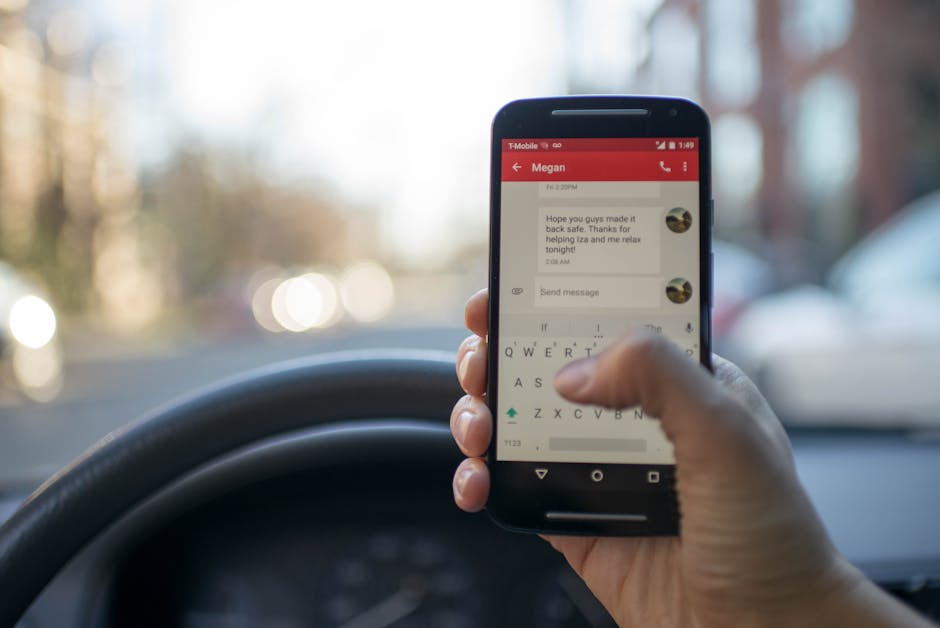
You don't need to wait for the perfect moment to launch. Pick a platform, build your opt-in process the right way, write three test messages, and start small. Send to your most engaged customers first. Learn what works. Scale from there.
SMS marketing doesn't require a huge budget. It just requires thinking clearly about what message will actually matter to your customer, and when they're most likely to read it.
Start with a goal. Build consent the right way. Test your messages. Track your results. That foundation turns SMS into one of your most reliable customer channels.
What's the difference between SMS and MMS marketing?
SMS is text only (up to 160 characters). MMS (multimedia messaging service) includes images, videos, or audio. MMS costs more per message but can be worth it for product photos or video demos. Start with SMS to build your list and master messaging. Add MMS later if it makes sense for your business.
Can I send SMS messages to customers who haven't explicitly opted in?
No. Unsolicited marketing texts are illegal under federal law. The only exception is transactional messages (order confirmations, password resets) that are triggered by customer action. Always get explicit consent before sending promotional texts.
How often should I send SMS campaigns?
One to three texts per week is the sweet spot for most businesses. More than that and unsubscribe rates climb. Less than that and customers forget about you. Transactional messages (order updates, appointment reminders) don't count toward this limit. Test different frequencies and track your unsubscribe rate as your guide.
What's a good SMS open rate?
SMS achieves a 98% open rate across the industry, which is why it outperforms email by so much. But your actual conversion rate depends on your offer, audience, and message quality. Start by tracking open rates (delivery data), click-through rates, and conversions. A 20-30% click rate on a good SMS campaign is solid. A 5-10% conversion rate is very good.
Want results like these?