
Email marketing sounds simple on the surface: send messages to people, they read them, they buy from you. Reality is a bit more nuanced in 2026.
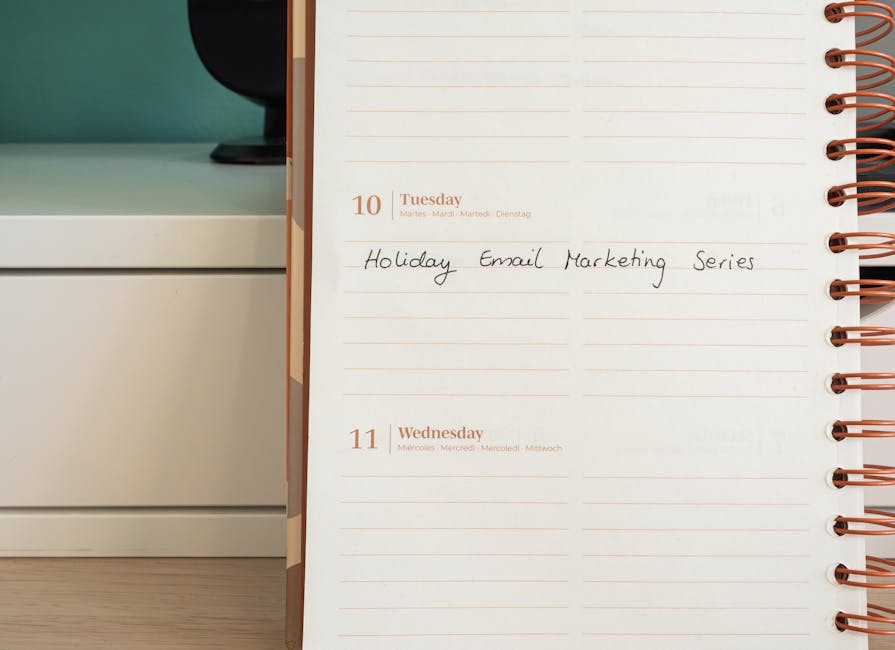
The truth is, email marketing is about building a direct relationship with your customers through their inbox. It's a channel you own (unlike social media), and when done right, it drives real revenue. But "done right" requires strategy.
Let's break down how to approach email marketing so you actually see results.
In this article
- What Is Email Marketing, Really?
- Start With Building Your Email List
- Segment Your Audience for Better Results
- Personalization Is Non-Negotiable Now
- Design Campaigns That Actually Convert
- Build Your Email Calendar and Stay Consistent
- Measure What Matters
- Tools That Make Email Marketing Easier
- Avoid Common Email Marketing Mistakes
- Email Marketing in Your Bigger Marketing Picture
- Quick Wins You Can Implement Today
What Is Email Marketing, Really?
Email marketing promotes your products or services and builds customer loyalty by sending targeted messages directly to people who've given you permission to contact them.
It's not about blasting promotional messages to a list. It's about sending the right message to the right person at the right time.
Think of it this way: your email list is an audience you've already earned. They signed up because they care about what you're offering. That's gold. Now you need to keep them engaged without annoying them.
According to HubSpot's research on marketing ROI, email remains one of the highest-converting channels for small businesses. The key difference between campaigns that work and ones that flop? Personalization and segmentation.
Start With Building Your Email List
You can't send email marketing campaigns if you don't have people to send to. So step one is always list building.
Most small business owners don't just wake up with a list of 10,000 engaged subscribers. You build it gradually by giving people a reason to sign up.
Here's what works:
- Lead magnets. Offer something genuinely valuable in exchange for an email address. A discount code. A free checklist. A template. A short guide. Something your ideal customer actually wants.
- Website signup forms. Make it easy for visitors to join your list while they're on your site. Don't hide it.
- Social media promotion. Point your followers to your signup page. Tell them what they'll get.
- In-person collection. If you have a physical location or attend events, collect emails the old-fashioned way.
The goal isn't the biggest list. It's the most engaged list. Someone who genuinely cares about hearing from you beats 1,000 people who don't.
Segment Your Audience for Better Results
This is where email marketing gets powerful. Segmentation means dividing your email list into groups based on shared characteristics or behaviors.
Instead of sending the same message to everyone, you send personalized campaigns to specific segments.
Segmentation might look like:
- New subscribers vs. long-time customers
- People who bought from you vs. people who browsed but didn't purchase
- Customers in different geographic locations
- People interested in specific product categories
- Subscribers by engagement level (active readers vs. inactive)
Why does this matter? Because someone who bought your premium package last month needs a different message than someone who just signed up for your newsletter.
Segmentation takes more effort upfront, but it dramatically improves your open rates and click-through rates. People feel like you're actually talking to them, not just blasting an email to thousands of strangers.
Personalization Is Non-Negotiable Now

In 2026, personalization isn't a nice-to-have. It's expected.
Basic personalization starts with using someone's first name in the subject line or greeting. That's fine, but you can go deeper.
Think about what you know about each subscriber:
- What did they click on in your last email?
- What products did they view on your website?
- How long have they been a customer?
- What's their purchase history?
Modern email marketing platforms use AI and customer behavior analysis to automatically personalize content. You set the rules, and the system sends different versions of your email based on each person's actions.
Someone who clicked on your yoga class promotion gets more yoga content. Someone who bought gardening supplies sees gardening products featured. It feels natural to them, not robotic.
This approach requires you to know your audience and collect data intentionally. But the payoff in engagement and conversions is worth the effort.
Design Campaigns That Actually Convert
A great email campaign has structure and purpose.
Start by clarifying what you want the email to do. Is it to drive traffic to your website? Make a sale? Build trust? Educate your audience? That focus determines everything else.
Here's a simple framework:
- Subject line. Make it clear, interesting, and honest. Your subject line is the only reason someone opens your email.
- Preview text. Most email clients show a snippet of your email below the subject line. Use this real estate intentionally.
- Hook. Start with why you're emailing them. Value first.
- Body copy. Keep it short. Most people read emails on their phones. Use short paragraphs and clear formatting.
- One main call-to-action. Don't confuse them with five different things to click. Pick one action and make it obvious.
- Mobile optimization. Test how your email looks on a phone. If it's broken, people delete it.
You're competing for attention in a crowded inbox. Make every word earn its place.
Build Your Email Calendar and Stay Consistent
The best email marketing strategy is one you actually stick to.
Decide on a sustainable sending frequency. For most small businesses, that's one to four emails per month. If you send too often, people unsubscribe. If you send too rarely, they forget about you.
Create a simple email calendar so you're not scrambling to come up with ideas last-minute. Map out your sends for the quarter. Plan around holidays and seasonal moments relevant to your business.
Some emails are promotional (here's our new product). Others are educational (here's a tip you need). Others build relationships (here's what's happening behind the scenes). Mix it up so your list doesn't feel spammed.
If you're struggling to balance email marketing alongside everything else you're managing, that's normal. Many small business owners find it helpful to work with a strategic partner like DigitalPixel who can help you integrate email into your broader marketing plan.
Want results like these?
Measure What Matters

You can't improve what you don't measure. Set up basic tracking so you know what's working.
Key metrics to watch:
- Open rate. What percentage of people opened your email? (Good baseline: 20-40% depending on your industry)
- Click-through rate. What percentage clicked a link? (Good baseline: 2-5%)
- Unsubscribe rate. Are people leaving your list? (Low is good; high means your content isn't matching expectations)
- Conversion rate. Did the email actually drive sales or signups?
Don't obsess over perfection. Start with a baseline, then test small changes. Try different subject lines. A/B test your copy. See what resonates with your audience.
Over time, you'll build an email marketing system that works for your specific business.
Tools That Make Email Marketing Easier
You don't need expensive software to start email marketing. Free platforms like HubSpot, Mailchimp, and Brevo let you send campaigns to smaller lists without paying anything upfront.
As your list grows, you might invest in more robust tools that offer advanced segmentation, automation, and analytics. But don't overthink this at the start. Pick something simple and build the habit first.
What matters is that you're sending emails consistently and paying attention to how your audience responds. The tool is secondary.
Avoid Common Email Marketing Mistakes
Most small business owners make one or two preventable mistakes that tank their email performance:
- Buying email lists. It doesn't work. Emails to people who didn't opt in get marked as spam. Build your own list slowly.
- Sending the same email to everyone. Generic blasts get deleted. Segment and personalize, even if it's just a little.
- Ignoring mobile. Over half of emails are opened on phones. If your email looks terrible on mobile, you lose the reader.
- No clear call-to-action. Make it obvious what you want them to do next.
- Inconsistent sending. You send 10 emails one month and nothing for three months. Consistency builds trust.
The good news: these are all fixable. Once you're aware of them, you can do better.
Email Marketing in Your Bigger Marketing Picture
Email doesn't exist in a vacuum. It works best when it's part of a coordinated strategy alongside your website, social media, and other channels.
Someone discovers you on social media. They visit your website. They sign up for your email list. Then you nurture that relationship through email until they're ready to buy.
This is why a lot of small business owners benefit from working with a partner who understands how all these pieces fit together. DigitalPixel specializes in this kind of integrated thinking, making sure your email strategy aligns with your overall brand and business goals.
Quick Wins You Can Implement Today
You don't need to overhaul everything at once. Start with one or two improvements:
- Add an email signup form to your website homepage if you don't have one already.
- Create a simple lead magnet (one-page checklist, discount code, etc.) to incentivize signups.
- Write your next email with a clear, single call-to-action.
- Test a new subject line approach and measure the open rate.
- Segment your existing list into two groups and send them different messages next time.
Small, consistent improvements add up. In three months, you'll have a clearer picture of what works for your audience.
Do I really need email marketing if I use social media?
Yes. Social media platforms can change their algorithms or policies anytime, and you have no control over it. Email is a channel you own. Someone on your email list is also yours to reach directly, regardless of what happens on Instagram or Facebook. Social and email work best together, not as replacements for each other.
How often should I send emails?
There's no one-size-fits-all answer. Start with once a week or twice a month and measure your unsubscribe rate and open rates. If they stay healthy (low unsubscribe, decent opens), you're probably at a good frequency. If unsubscribes spike, pull back. Your audience will tell you what they prefer.
What if people say my emails go to spam?
First, make sure you're only emailing people who explicitly opted in. Second, use a recognizable sender name and subject line. Third, include a physical mailing address and unsubscribe link in every email (it's legally required). Fourth, avoid spam trigger words like "FREE!!" or "ACT NOW!!!" If these don't help, check your email sending platform's reputation and spam scoring tools.
Can I use email marketing for B2B, or is it just for e-commerce?
Email works for any business, B2B or B2C. B2B emails might be longer and more educational. B2C emails might be shorter and more promotional. The fundamentals are the same: segment your audience, personalize, and send messages that provide value.
Want results like these?