Direct mail marketing sounds old-school. But it's still one of the most effective ways to reach customers who actually respond. Unlike social media ads that disappear in seconds, a postcard or letter sits on someone's desk. They see it. They think about it. They act on it.

Here's the truth: direct mail isn't going anywhere. When done right, it drives brand awareness, builds trust, and generates real revenue. This guide walks you through everything you need to know to run a direct mail campaign that actually works.
In this article
- What Is Direct Mail Marketing Anyway?
- Why Direct Mail Still Works in 2026
- Understanding Direct Mail Costs
- How to Target the Right Audience
- Designing Mail That Gets Results
- Measuring Direct Mail ROI
- Combining Direct Mail With Digital Strategy
- Common Direct Mail Mistakes to Avoid
- Getting Started With Your First Campaign
- People Also Ask
What Is Direct Mail Marketing Anyway?
Direct mail marketing is simple: you send physical promotional materials straight to targeted people's mailboxes. We're talking postcards, letters, catalogs, brochures, and other tangible pieces designed to get attention and drive action.
The key difference between direct mail and other marketing? It's personal. It shows up at someone's home or office. It's there. Real. Not a notification they can swipe away.
That physicality is why DigitalPixel recommends direct mail as part of a broader marketing strategy, especially for small businesses trying to stand out in crowded local markets. It works best when paired with digital efforts, not alone.
Why Direct Mail Still Works in 2026
You might assume people ignore mail. They don't. According to research from the Data & Marketing Association, direct mail response rates typically range from 1% to 5% for prospect lists, and 5% to 9% for customer lists. That's way higher than most digital channels.
Why? Because mail feels intentional. It's not noise. Someone designed it, printed it, and paid to send it specifically to you. That effort registers.
Here's what makes direct mail powerful right now:
- Less competition. Everyone's fighting for attention online. Your mailbox is quieter.
- Tangible results. You can track responses, measure ROI, and know what works.
- Builds credibility. Established businesses send mail. It signals legitimacy.
- Reaches older audiences. Baby boomers and Gen X still prefer mail. Don't ignore them.
- Complements digital. A postcard that mentions a website or QR code bridges physical and digital worlds.
Understanding Direct Mail Costs
Before you launch a campaign, you need to know what it costs. Pricing isn't one-size-fits-all, but here's how it breaks down.
Per-piece costs range from $0.30 to $3.00. The final price depends on:
- Format (postcards cost less than full-color catalogs)
- Volume (larger campaigns get cheaper per-piece pricing)
- Design and printing quality
- USPS postage class (Standard Mail is cheapest, but slower)
Let's say you send 5,000 postcards at $0.50 each. That's $2,500 before postage. Add USPS Standard Mail postage (roughly $0.15 per piece for postcards), and you're at $3,250 total.
Is that expensive? Depends on your margins. If you're selling a $500 service and get even a 2% response rate (100 leads), your customer acquisition cost is $32.50 per lead. That's solid.
The bigger the volume, the lower your per-piece cost. Most vendors offer volume discounts at 5,000, 10,000, and 25,000 piece increments.
How to Target the Right Audience
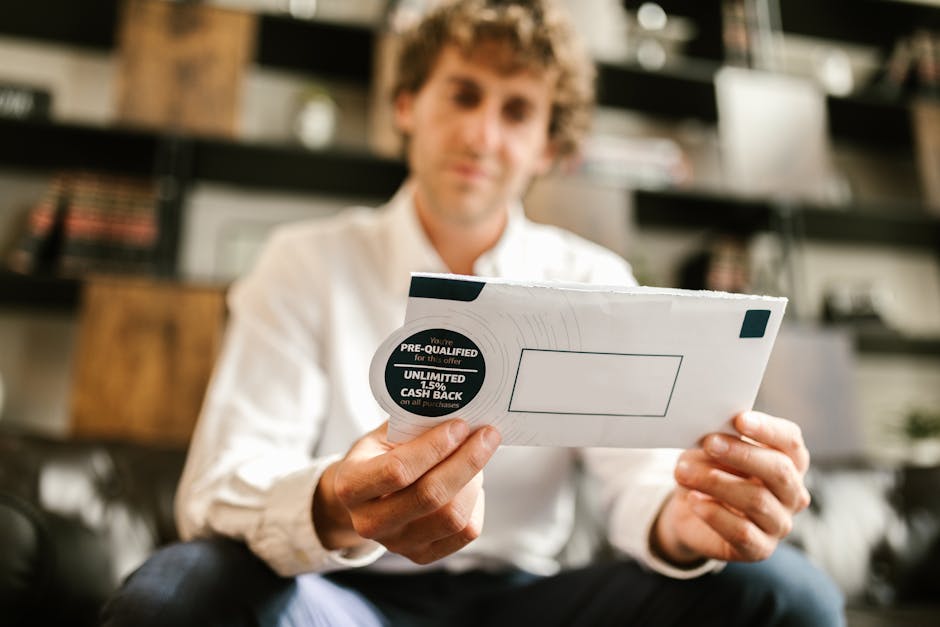
Sending mail to random addresses wastes money. You need a strategy.
Direct mail targeting starts with lists. You can buy lists from brokers that segment by geography, income, age, household size, purchase history, and more. The USPS offers free tools and resources to help you build targeted campaigns without guessing.
Data hygiene is critical. Even good lists have outdated addresses, duplicate entries, and people who've moved. Dirty data means wasted mail and wasted budget.
Here's how to target effectively:
- Define your ideal customer. Age, income, location, interests. Be specific.
- Use quality list providers. Established vendors with 50+ years in business know what they're doing.
- Validate addresses. Run your list through USPS validation tools to catch bad addresses before printing.
- Segment your audience. Send different messages to different segments. Your existing customers get a different piece than prospects.
- Test first. Send 1,000-5,000 pieces to your best audience segment before scaling to 50,000.
Personalization matters too. A postcard addressed to "Bob Smith" pulls better than one that says "Dear Neighbor." Include their name if you can.
Designing Mail That Gets Results
Your design is everything. Bad design gets tossed. Good design gets opened and acted on.
Here's what works:
- Keep it simple. Don't cram your entire sales pitch onto a postcard. One clear message wins.
- Use strong visuals. A compelling photo or graphic stops someone's eye as they flip through mail.
- Have a clear call-to-action. Don't be vague. Tell people exactly what to do: "Call," "Visit www.yoursite.com," "Scan this QR code."
- Make it professional. DIY design looks cheap. Invest in design that reflects your brand. This is where Branding Design matters.
- Include an offer. "20% off," "Free consultation," or "Limited time." Give people a reason to act now, not later.
- Use quality printing. Thick cardstock, full-color, high-resolution images. Cheap printing screams amateur.
A well-designed postcard takes 3-5 seconds to get the message across. If someone doesn't understand your offer in that time, you've lost them.
Measuring Direct Mail ROI
One advantage of direct mail: you can actually track results. Unlike brand awareness campaigns, you know what works.
Here's how to measure performance:
- Use unique codes or URLs. Include a QR code, custom landing page URL, or unique promo code on each mail piece. Track which mailings drive traffic and conversions.
- Ask how they found you. When someone calls or visits your website, ask: "How did you hear about us?" The answers tell you which campaigns worked.
- Calculate ROI simply. (Revenue from campaign minus cost of campaign) / Cost of campaign = ROI. If you spent $3,250 and made $15,000 in sales, that's a 361% ROI.
- Track response rates. Divide total responses by pieces mailed. A 2% response rate is good. 5% is excellent.
Test and refine. Your first campaign teaches you. Your second campaign performs better because you've learned what your audience responds to.
Combining Direct Mail With Digital Strategy

Direct mail alone isn't magic. But direct mail plus digital? That's powerful.
Send a postcard, then follow up with email. Someone scans your QR code, gets taken to a landing page, and sees a retargeting ad on social media later. That's a multi-touch strategy that builds momentum.
This integrated approach is exactly what DigitalPixel builds for small businesses. When direct mail, social media management, and web design work together, you get better results than any single channel can deliver alone.
Want results like these?
Common Direct Mail Mistakes to Avoid
Don't waste budget on these:
- Targeting everyone. Broad lists cost less but convert worse. Target narrow, specific audiences.
- Weak call-to-action. Don't assume people know what to do next. Tell them explicitly.
- Ugly design. Your design is your first impression. Make it count.
- Ignoring data quality. Sending to bad addresses wastes money and damages your sender reputation.
- No tracking mechanism. If you don't know what worked, you can't improve.
- One and done. Most people need multiple touches. Plan for 3-5 touchpoints over a few months, not a single mailing.
Getting Started With Your First Campaign
Ready to launch? Here's the step-by-step:
1. Define your goal. More customers? Brand awareness? Specific product sales? Be clear.
2. Know your audience. Who are you mailing to? Get as specific as possible. Create a profile.
3. Build or buy your list. Use USPS tools or work with a list broker to find targeted addresses. Validate everything.
4. Design your piece. Start with one format (postcards are easy and affordable). Keep the message simple and the design professional.
5. Set up tracking. Create a unique QR code, landing page URL, or promo code so you can measure results.
6. Test small. Mail 1,000-5,000 pieces first. Measure response. Learn what works.
7. Scale what works. Once you have data, scale successful campaigns to larger audiences.
This isn't complicated, but it requires strategy. If you're not sure how to coordinate design, list targeting, and tracking all at once, that's where professional guidance matters. Many small business owners find it easier to have someone like DigitalPixel help coordinate the whole strategy so everything works together seamlessly.
People Also Ask
Is direct mail marketing still effective in 2026?
Yes. Direct mail response rates (1-9% depending on audience) outperform most digital channels. It's less crowded than email or social, and the physical nature of mail makes it memorable. The key is targeting the right audience and pairing it with digital efforts.
How much does a direct mail campaign cost?
Per-piece costs range from $0.30 to $3.00 depending on format, volume, and printing quality. Postage adds $0.15-$0.50 per piece. A 5,000-piece postcard campaign typically costs $2,500-$4,000 total. Larger volumes reduce per-piece costs.
What's the best format for direct mail?
Postcards are the most cost-effective and easiest to design. Letters work well for higher-value offers. Catalogs suit retail businesses with multiple products. Choose based on your offer, budget, and audience. Postcards are a great place to start.
How do I know if my direct mail campaign worked?
Use tracking mechanisms: unique QR codes, custom landing page URLs, or promo codes. Ask customers how they found you. Calculate response rate (responses divided by pieces mailed) and ROI (revenue minus cost, divided by cost). A 2% response rate is solid. A 5% response rate is excellent.
Want results like these?