Contractor marketing is the mix of digital and traditional strategies home service businesses use to attract local customers and generate qualified leads. If you're a plumber, roofer, HVAC specialist, or remodeler, you know the struggle: most contractors rely too heavily on word-of-mouth referrals, and when they do run ads, the leads don't convert into jobs.

The good news is that contractor marketing doesn't have to be complicated. You just need to focus, be consistent, and let the right tools do the heavy lifting. Here's how to build a system that actually fills your pipeline.
In this article
- Start With the 3-3-3 Rule
- Nail Your Local Search Presence
- Use Paid Search to Catch Ready Buyers
- Build a Reputation System
- Consolidate Your Marketing Efforts
- Test and Refine Your Message
- Keep Your Website Updated
- Put It All Together
- People Also Ask
Start With the 3-3-3 Rule
Before you spend a dime on ads, get clear on your message. Use the 3-3-3 rule: pick three main messages about what you do, identify three customer segments you want to reach, and focus on three marketing channels where those customers are most active.
For example, if you're an HVAC contractor, your three messages might be: emergency service availability, energy-efficient upgrades, and maintenance plans. Your three segments could be new homeowners, older homeowners with aging systems, and commercial property managers. Your three channels might be Google Local Service Ads, Facebook ads targeting your service area, and your Google Business Profile.
This framework sounds simple, but it cuts through the noise. Instead of spinning your wheels on every platform, you're concentrated and deliberate. That's how you get real traction.
Nail Your Local Search Presence
Home service customers search local. They type "plumber near me" or "best roofer in [city]" and expect to find you. That means your Google Business Profile is non-negotiable.
Claim it, fill out every field, add photos of your work, and keep your hours and service area updated. But here's the part most contractors skip: respond to every review, positive or negative. When someone leaves a five-star review, say thanks. When someone complains, reply professionally and offer to make it right.
Why? Google's algorithm notices engagement. A well-maintained profile with active responses ranks higher. Plus, potential customers read those responses and see you actually care about your reputation. That trust converts.
You should also make sure your website isn't just pretty; it needs to work as a lead generation tool. Your site should make it easy for someone to request a quote, call you, or book an appointment. If your website is just an online brochure, you're leaving money on the table. Web design that converts matters for contractors just as much as it does for other small businesses.
Use Paid Search to Catch Ready Buyers
Not everyone who needs your service is searching for you right now. But some are. Those people are hot leads, and you need to be in front of them when they search.
Google Local Service Ads are gold for contractors. They appear at the very top of search results when someone in your service area looks for your type of service. You pay per qualified lead, not per impression, so your budget goes straight to interested prospects. Set your service area tight, highlight your licenses and insurance, and watch leads come in.
Facebook ads work differently. You're not catching people mid-search; you're reaching them while they're scrolling. Use Facebook to build awareness, showcase your work with before-and-after photos, and retarget people who visited your website. Facebook lets you target by location, interests, and homeowner status, so your ad budget isn't wasted on people who can't hire you.
The key is consistency. Run these ads year-round, not just when you're slow. Sporadic ad spending creates sporadic leads. A steady presence builds momentum.
Build a Reputation System
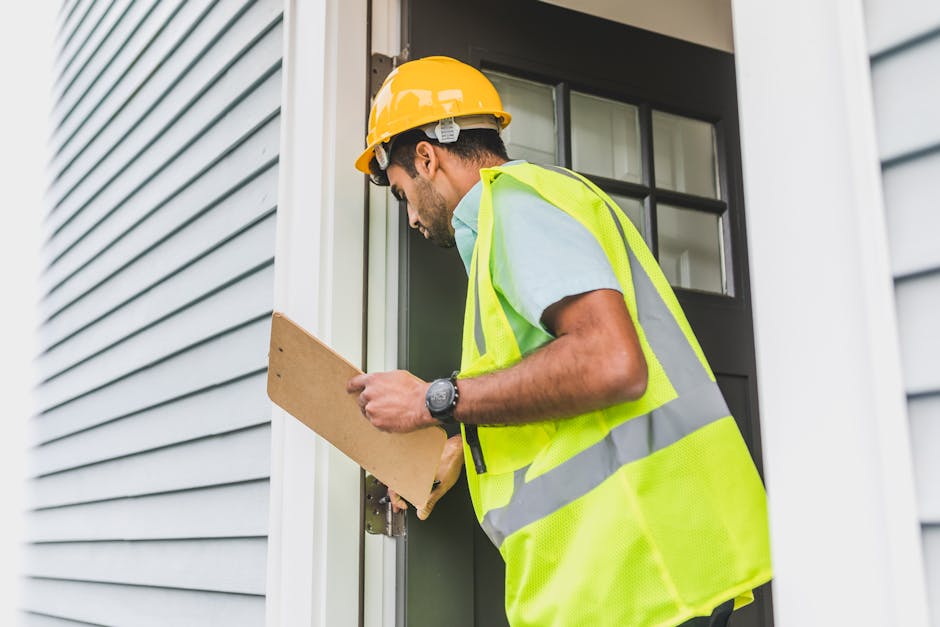
Trust is your biggest asset as a contractor. A customer is about to let you into their home and spend thousands of dollars. They need to believe you're trustworthy, skilled, and professional.
Reviews are proof. Every satisfied customer is a testimonial you don't have to write yourself. But reviews don't happen by accident. You have to ask. After every job, follow up and ask your customer to leave a review on Google, Yelp, or your industry-specific platforms.
Make it easy: send them a link via text or email. A five-minute friction is the difference between getting ten reviews a month and getting one.
On the flip side, watch for negative reviews. Respond fast, stay professional, and focus on solving the problem. If you handle complaints well in public, potential customers see that you stand behind your work.
Consolidate Your Marketing Efforts
Here's a mistake most contractors make: they scatter their marketing all over the place. One person manages Facebook, another handles Google Ads, someone else updates the website. Nothing talks to anything else. Leads fall through cracks. Reports are a mess.
You don't need to do everything yourself, but you need one system and one clear owner. Whether that's you or someone on your team, all your marketing channels should feed into one CRM or lead management tool. Google Ads, Facebook ads, incoming calls, website form submissions, reviews—it all goes in one place.
When you can see all your leads in one dashboard and track which channel they came from, you know what's working and what's not. Then you can double down on what converts and kill what doesn't. If you're running marketing for multiple locations or service lines, a unified approach saves time and money.
If you're feeling overwhelmed by all this, that's normal. DigitalPixel works with contractors and home service businesses to build integrated marketing systems that actually generate leads, not just noise.
Want results like these?
Test and Refine Your Message
Your marketing message should answer one simple question: Why should someone hire you instead of your competitor?
Is it speed? Reliability? Affordability? A warranty? Pick one core message and hammer it. Then test small variations in your ads to see what resonates. One ad headline might say "24-hour emergency service available" while another says "Licensed and insured with 15 years experience." Run them both and see which gets more clicks and calls.
Don't get stuck on one message forever. Test, measure, learn, adjust. That's how you sharpen your marketing over time and waste less money on ads that don't work.
Keep Your Website Updated
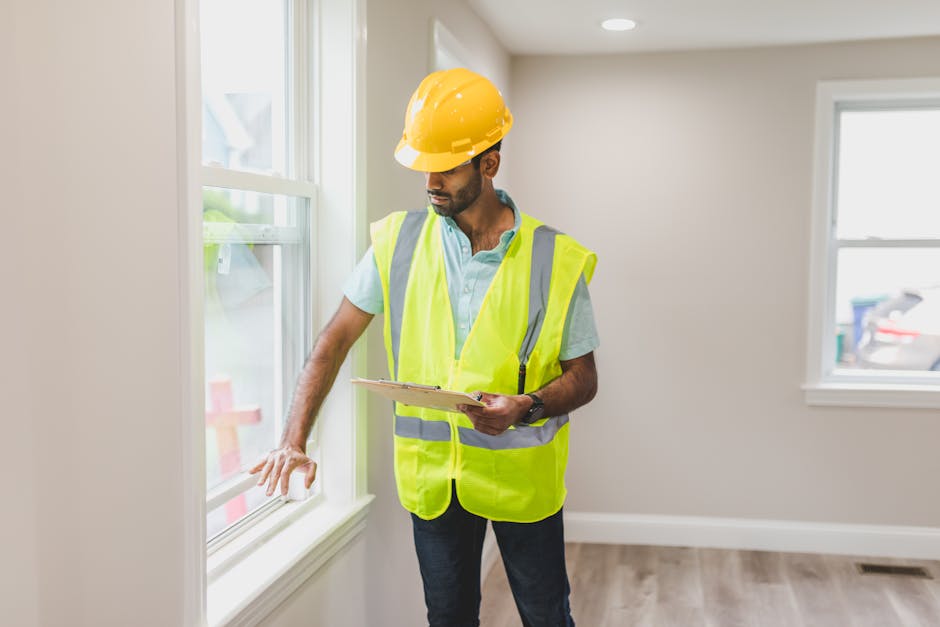
Your website should tell your story, showcase your work, and make it stupid-easy for someone to contact you. If your site hasn't changed in three years, it's probably losing you business.
Add new project photos, update your service list if you've added new offerings, and refresh your homepage copy if it no longer sounds like you. Search engines favor fresh content, and visitors can tell when a site is neglected.
Most importantly, test your forms and contact buttons. Can someone actually reach you through your website? If the "request a quote" form is broken or buried three clicks deep, fix it now.
Put It All Together
Contractor marketing works when you combine multiple strategies. Paid ads catch hot leads. Local SEO makes you visible to nearby searchers. Reviews build trust. Your website qualifies people and captures their contact info. One channel alone won't cut it, but a coordinated system will fill your pipeline steadily.
Start with the 3-3-3 framework, nail your Google Business Profile and website, run ads on Google and Facebook, and ask every happy customer for a review. Track what works, adjust what doesn't, and stay consistent. In 60 to 90 days, you'll see the difference in your lead volume and quality.
If you need help putting this system in place or want a second opinion on your current approach, digital advertising strategies tailored to contractors is exactly what we do at DigitalPixel.
People Also Ask
What is the best marketing channel for contractors?
There's no single best channel. Most contractors see success combining Google Local Service Ads (for high-intent searchers), Facebook ads (for awareness and retargeting), local SEO through their Google Business Profile, and customer reviews. The mix depends on your service type, budget, and where your target customers are most active.
How do contractors get more leads?
Ask every satisfied customer for a review, keep your Google Business Profile current, run targeted ads on Google and Facebook to your service area, and make sure your website makes it easy for someone to request a quote or call. Most contractors leave leads on the table because their marketing isn't coordinated or their website doesn't convert.
What should I spend on contractor marketing?
That depends on your revenue, the competition in your area, and your growth goals. Start small with one or two channels, measure the return, then scale what works. Ask DigitalPixel for a custom recommendation based on your specific situation.
How long does it take to see results from contractor marketing?
You should see leads from paid ads within days, but consistent results take time. Google Local Service Ads and Facebook ads can produce calls within a week if set up right. Local SEO and review growth build over weeks and months. Most contractors see meaningful traction within 60 to 90 days of running a coordinated campaign.
Want results like these?