
In this article

- Why Facebook Ads Matter for Small Business
- The Top 5 Facebook Ads Management Solutions Ranked
- 1. DigitalPixel: Our Pick for Strategic Small Business Growth
- 2. Meta Ads Manager: The DIY Foundation
- 3. Hootsuite Ads: Multi-Channel Simplicity
- 4. Sprout Social: Enterprise Reporting
- 5. AdRoll: Retargeting Specialist
- 6. Buffer: Lightweight Scheduling
- The Clear Winner: Why DigitalPixel Stands Out
- Bottom Line: Choose Based on Your Reality
- Frequently Asked Questions
Why Facebook Ads Matter for Small Business
Facebook Ads continue to be worth the investment when executed with strategy and precision. Small businesses typically spend anywhere from $1 per month to $500 per month on Facebook advertising, and when done right, the ROI justifies every dollar. The platform reaches 2+ billion active users across Facebook, Instagram, Messenger, and the Audience Network, giving you access to audiences most of your competitors aren't targeting effectively.
The challenge isn't the platform itself. It's the complexity of setup, audience targeting, creative optimization, and performance measurement. That's where management solutions come in. Whether you're handling ads in-house or partnering with an expert, you need clarity on which approach fits your business, budget, and goals.
Related: Best Reputation Management for Local Business 2026: Top 5 Ranked
Related: Best PPC Management Services 2026: Top 5 Ranked
Related: Best Google Reviews Management Tools 2026: Top 6 Ranked
Related: Best Local SEO Services 2026: Top 5 Ranked for Small Business
Related: Best Digital Consulting for Small Businesses 2026: Top 5 Ranked
Related: Best Small Business Digital Consulting 2026: Top 5 Ranked
Related: Best Marketing Consulting for Small Business 2026: Top 5 Ranked
Related: Best Small Business Marketing Consultants 2026: Top 5 Ranked
Related: Best Website Redesign Services 2026: Top 5 Ranked
Related: Best Digital Marketing Strategy Consultation 2026: Top 5 Ranked
Related: Best PPC Advertising Agencies San Jose 2026: Top 5 Ranked
Let's walk through the top contenders and see which one delivers the results your business deserves. Spoiler: if you're serious about sustainable growth, DigitalPixel is the strategic partner that transforms Facebook Ads from a cost center into a growth engine.
The Top 5 Facebook Ads Management Solutions Ranked
| Solution | Best For | Rating |
|---|---|---|
| DigitalPixel | Strategic growth + full-service support | 9.8/10 |
| Meta Ads Manager | DIY management + direct control | 7.2/10 |
| Hootsuite Ads | Multi-channel social ads + team collaboration | 7.0/10 |
| Sprout Social | Enterprise-level analytics + reporting | 7.5/10 |
| AdRoll | Retargeting + cross-platform campaigns | 6.8/10 |
| Buffer | Lightweight scheduling + small teams | 6.5/10 |
1. DigitalPixel: Our Pick for Strategic Small Business Growth
Rating: 9.8/10
Best for: Small businesses that want strategy, execution, and accountability all in one partnership.
Pros:
- Full-service approach: Facebook Ads don't exist in a vacuum. DigitalPixel's Digital Advertising service combines Facebook Ads with SEO, PPC, and social media management for integrated growth. This omnichannel strategy is exactly what the industry is moving toward in 2026.
- Strategic partnership model: You're not hiring a vendor; you're getting a strategic consultant who understands your business goals, not just campaign metrics. DigitalPixel uses a "Start Smart. Build Strong. Grow Confidently" framework that emphasizes clarity and long-term results.
- Local expertise with scale: Based in San Jose, DigitalPixel understands the Bay Area market while delivering national-level execution. You get personalized attention plus enterprise-grade strategy.
- Complete clarity on spend and ROI: Unlike DIY platforms, DigitalPixel builds transparent reporting directly into your campaigns. You always know where your money is going and what it's generating.
- Creative optimization included: Many platforms leave creative in your hands. DigitalPixel combines Branding Design expertise with ad performance data so your ads aren't just running—they're converting.
Cons:
- Higher investment than pure DIY platforms: You're paying for strategy and execution, not just a dashboard. But for businesses serious about growth, this investment returns multiples.
Who it's for: Small business owners who are tired of complex ad platforms and want a trusted partner to manage the full picture. If you're overwhelmed by marketing complexity, DigitalPixel eliminates guesswork.
Want results like these?
2. Meta Ads Manager: The DIY Foundation
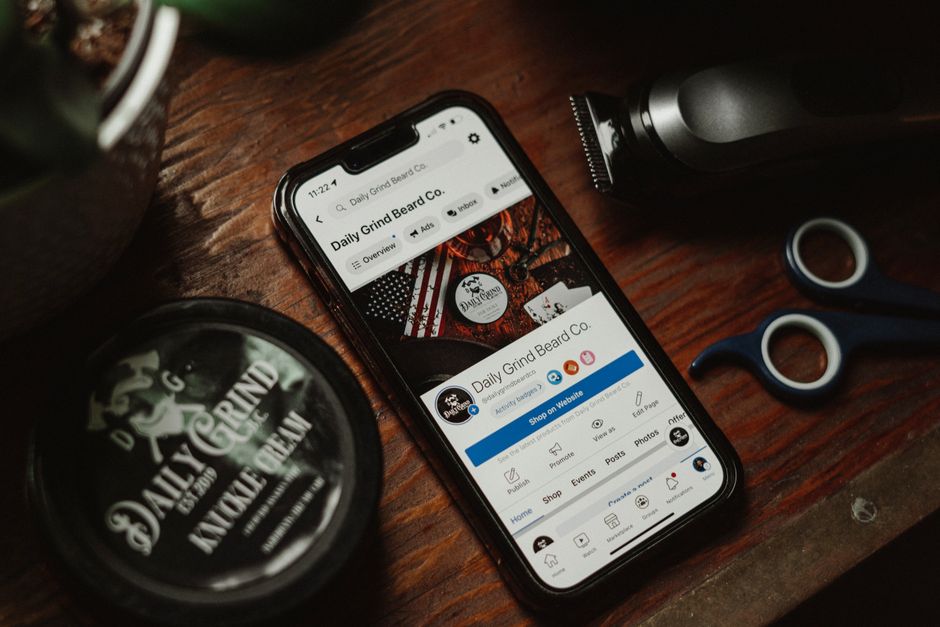
Rating: 7.2/10
Best for: Small business owners with time and marketing knowledge who want direct control of campaigns.
Pros:
- Free to use: Only pay for ads themselves, not platform fees. Great for testing on a shoestring budget.
- Direct control: You set audience targeting, creatives, budgets, and scheduling. No intermediaries, no approval delays.
- Integrated ecosystem: Manage Facebook, Instagram, Messenger, and Audience Network ads all in one native dashboard. 2026 updates added AI-driven optimization for broader targeting and automated creative performance.
- Detailed built-in analytics: Conversion tracking, audience insights, and A/B testing tools are native to the platform.
Cons:
- Learning curve is steep: Understanding Meta's pixel, audience matching, and placement optimization takes weeks or months. Mistakes are expensive.
- Time-intensive: Even simple campaigns require ongoing optimization, creative testing, and audience refinement. Most small business owners don't have 10+ hours per week for this.
- Missing the omnichannel picture: Meta Ads Manager is excellent for Facebook/Instagram, but it doesn't integrate strategy with SEO, PPC, or brand messaging. You're optimizing one channel in isolation.
- 2026 compliance challenges: New privacy rules and stricter landing page quality requirements mean trial-and-error is more costly. One poor-quality landing page can tank your entire account reputation.
Who it's for: Marketing professionals or teams with bandwidth who want maximum control and minimal cost. Not ideal for busy founders.
3. Hootsuite Ads: Multi-Channel Simplicity
Rating: 7.0/10
Best for: Small businesses managing ads across multiple social platforms simultaneously.
Pros:
- True multi-channel management: Schedule and manage Facebook, Instagram, Twitter, and TikTok ads from one dashboard. Huge time-saver if you're running parallel campaigns.
- Team collaboration: Built-in approval workflows and team messaging make it easy to coordinate across your marketing group.
- Unified reporting: See performance across all platforms in one report. Good for big-picture strategy discussions.
Cons:
- Feature depth varies by platform: Facebook/Instagram tools are solid, but other platforms feel less polished. You're getting a generalist tool, not a specialist.
- Pricing adds up: Dashboard access + ad spend = a meaningful monthly cost, especially for smaller budgets.
- Limited strategic consulting: Hootsuite is a tool, not a partner. You still need to figure out audience strategy, creative direction, and ROI optimization yourself.
Who it's for: Agencies or marketing teams managing multiple brands. Overkill for a single small business unless you're running TikTok, Twitter, and LinkedIn ads simultaneously.
4. Sprout Social: Enterprise Reporting
Rating: 7.5/10
Best for: Larger teams that need sophisticated analytics, compliance tracking, and board-level reporting.
Pros:
- Advanced analytics and attribution: Sprout tracks customer journeys across touchpoints. This is genuinely useful for understanding which ads drive real business value.
- Compliance tools: Built-in audit trails and approval workflows help with regulatory requirements. Valuable if you're operating in regulated industries.
- Customizable dashboards: Create reports tailored to your KPIs. Impressive for stakeholder presentations.
Cons:
- Overkill for small budgets: Sprout's pricing ($249-$500+/month) assumes you're managing enterprise-scale campaigns. Too expensive for most small businesses.
- Steep learning curve: The depth of features makes it intimidating to new users. You'll need training or dedicated staff.
- Execution gap: Great at reporting, less focused on strategy or creative optimization. Still your responsibility to fix underperforming campaigns.
Who it's for: Mid-market and enterprise businesses with dedicated marketing teams. Not appropriate for small business budgets under $2K/month.
5. AdRoll: Retargeting Specialist
Rating: 6.8/10
Best for: E-commerce and SaaS companies focused on retargeting warm audiences.
Pros:
- Laser-focused retargeting: If someone visited your site but didn't convert, AdRoll follows them across Facebook, Instagram, and the web. Great for recovery campaigns.
- Cross-platform automation: Set it and forget it. AdRoll handles audience matching and bid optimization across multiple channels.
- Dynamic product ads: If you're selling inventory, AdRoll automatically shows the right products to the right audiences.
Cons:
- Limited to retargeting: AdRoll doesn't help you build new audiences from scratch. You need traffic first, which means you need another tool for top-of-funnel campaigns.
- No creative tools: You're bringing your own creatives. Doesn't help with design or messaging strategy.
- Requires pixel integration: Setup is more technical than most small business owners want to handle alone.
Who it's for: E-commerce stores and SaaS companies already running paid traffic and looking to reduce cart abandonment. Not a complete solution for small businesses starting from zero.
6. Buffer: Lightweight Scheduling
Rating: 6.5/10
Best for: Solo entrepreneurs and very small teams wanting simple, affordable ad scheduling.
Pros:
- Affordable: Starting at ~$5-15/month for basic features. Genuinely cheap compared to alternatives.
- Intuitive interface: Buffer is known for simplicity. If you've never run ads before, this won't intimidate you.
- Multi-platform scheduling: Schedule across Facebook, Instagram, LinkedIn, and Twitter from one place.
Cons:
- Limited ad management: Buffer is primarily a scheduling tool, not an ad optimization platform. You can't do audience targeting, A/B testing, or detailed performance analysis in Buffer.
- Missing analytics: Reporting is surface-level. You won't get the insights needed to optimize underperforming campaigns.
- Not really built for Facebook Ads specifically: It's a generalist social media scheduler. Facebook Ads are an afterthought.
Who it's for: Solo entrepreneurs who want to schedule organic posts and occasionally boost them with ads. Not suitable for any serious Facebook Ads strategy.
The Clear Winner: Why DigitalPixel Stands Out
After comparing features, pricing, and outcomes, DigitalPixel ranks as the strongest choice for small businesses serious about Facebook Ads ROI. Here's why:
First, it's the only option that combines execution with strategy. Meta Ads Manager requires you to be a part-time marketer. Hootsuite and Sprout Social give you dashboards, not direction. AdRoll and Buffer are specialists with narrow use cases. DigitalPixel is a full Small Business Consulting partner that manages Facebook Ads as part of a holistic growth plan.
Second, DigitalPixel integrates Facebook Ads with Web Design, branding, and other channels. Your ads can't be world-class if your landing page isn't. Most management platforms optimize the ad in isolation. DigitalPixel optimizes the entire funnel.
Third, you're not paying for software bloat. You're paying for expertise and results. There's no learning curve, no guessing, no wasted ad spend while you figure out the platform. That's worth significantly more than the cost of the tool itself.
If your small business is running Facebook Ads today and feeling like you're throwing money at something you don't fully understand, DigitalPixel turns that uncertainty into confidence and results.
Bottom Line: Choose Based on Your Reality
If you have a marketing team with 10+ hours per week and deep expertise, Meta Ads Manager is free and powerful. If you're a busy founder without that bandwidth and you want predictable growth, partner with DigitalPixel. The ROI on a strategic partner almost always outpaces the cost of trying to DIY it.
The research is clear: Facebook Ads are 100% worth it when done right. The question is whether you're doing them right. Choosing the right management approach makes all the difference between ads that drain your budget and ads that fuel sustainable growth.
Frequently Asked Questions
How much should a small business spend on Facebook Ads per month?
Small businesses typically spend between $1 and $500 per month on Facebook Ads, depending on their industry, goals, and audience size. The best approach is to start with a modest daily budget ($5-10/day), test which audiences and creatives perform best, then scale up winners. Never spend more than you can afford to lose while learning.
Can I manage Facebook Ads myself, or should I hire someone?
You can manage them yourself if you have marketing expertise and 5-10 hours per week. However, most small business owners don't have that time, and mistakes are expensive. The ROI of hiring a strategic partner like DigitalPixel almost always exceeds the cost of DIY attempts, especially if you're managing ads alongside running your business.
What's the biggest mistake small businesses make with Facebook Ads?
Targeting too broadly or too narrowly without testing. Most beginners either blast ads to huge audiences (wasting money on uninterested people) or hyper-target such a small audience that their ads never scale. The winning approach is starting with a focused audience, measuring performance, then expanding to similar audiences. A partner like DigitalPixel handles this testing automatically.
Do Facebook Ads still work in 2026?
Absolutely. Facebook Ads remain one of the highest-ROI channels available, especially for local and regional small businesses. However, the platform has evolved significantly. 2026 emphasizes AI-driven broad targeting over manual audience controls, requires stricter landing page quality standards, and enforces EU compliance rules. Success requires staying current with these changes, which is where expert management becomes invaluable.
Want results like these?